

The “Human Physiology 2025 Release – Downloadable eBook Guide” marks a significant milestone in the field of medical education and research. As we advance into an era where digital resources are increasingly pivotal, this comprehensive guide stands out as an essential tool for students, educators, and healthcare professionals alike. The 2025 edition has been meticulously updated to reflect the latest advancements in physiological science, integrating cutting-edge research findings with classical concepts to provide a robust understanding of human physiology.
This downloadable eBook offers unparalleled convenience and accessibility. With just a few clicks, users can access a wealth of information that is both current and relevant. The format is designed to be user-friendly, allowing readers to easily navigate through chapters using hyperlinks and intuitive search functions. This ease of access ensures that critical information is always at one’s fingertips, whether for academic purposes or clinical application.
One of the standout features of the Human Physiology 2025 guide is its emphasis on interactive learning. The eBook includes multimedia elements such as videos, animations, and interactive diagrams that enhance comprehension by illustrating complex physiological processes in dynamic ways. These tools cater to diverse learning styles by providing visual and auditory stimuli alongside traditional text-based content.
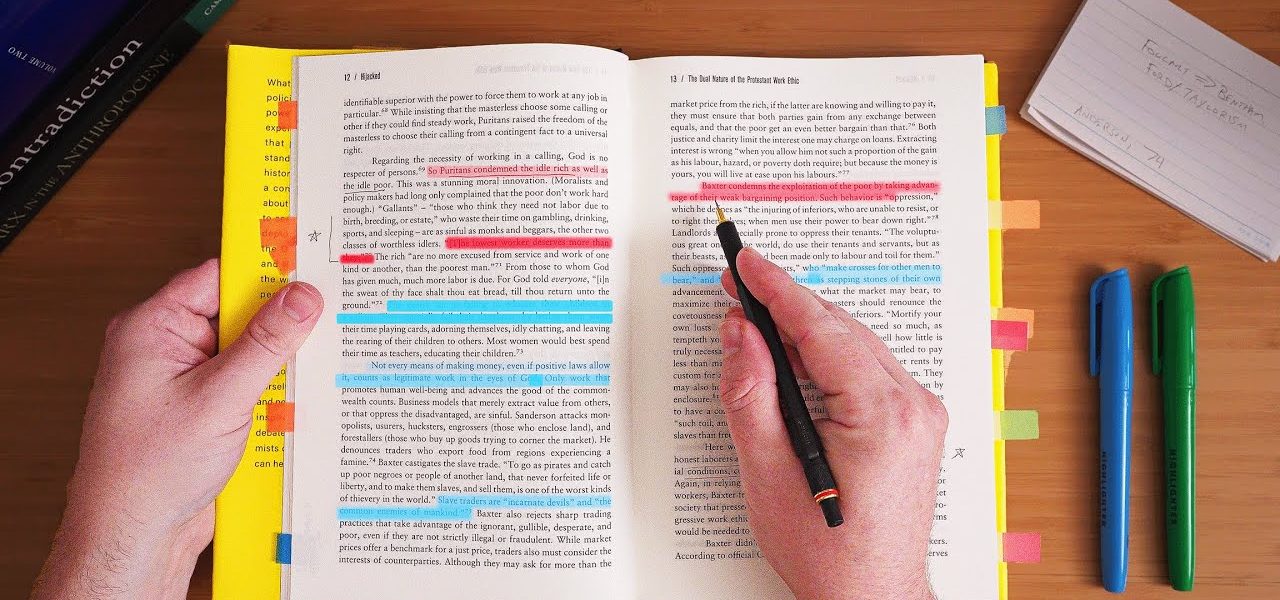
Moreover, this edition embraces personalization like never before. Readers have the ability to highlight text, make annotations, and bookmark important sections within the eBook itself—features that facilitate active engagement with the material. Additionally, regular updates ensure that subscribers receive new insights as they become available without needing to purchase subsequent editions.
In terms of content structure, Human Physiology 2025 covers all fundamental aspects from cellular mechanisms to systemic functions while incorporating recent discoveries in fields such as neurophysiology and molecular biology. Each chapter begins with clear objectives followed by detailed explanations supported by high-quality illustrations which aid in conceptual clarity.
Furthermore, ethical considerations surrounding emerging technologies are addressed comprehensively within this guide; discussions on topics like CRISPR gene editing or artificial organ development prompt readers not only towards scientific literacy but also encourage them toward thoughtful contemplation regarding future implications on health care systems globally.
For educators designing curricula or preparing lectures around human physiology subjects at any level—from undergraduate courses up through postgraduate training—the versatility offered by having authoritative resources digitally accessible cannot be overstated: lesson plans may incorporate direct links back into specific sections ensuring coherence across teaching modules seamlessly integrated via virtual platforms if required during distance-learning scenarios too!
Ultimately then,”Human Physiology 2025 Release (PDF) – Downloadable eBook Guide” represents far more than merely another textbook update—it embodies innovation aligned perfectly alongside tradition aimed squarely towards equipping today’s learners readying themselves tomorrow’s challenges head-on therein lies true value proposition indeed!