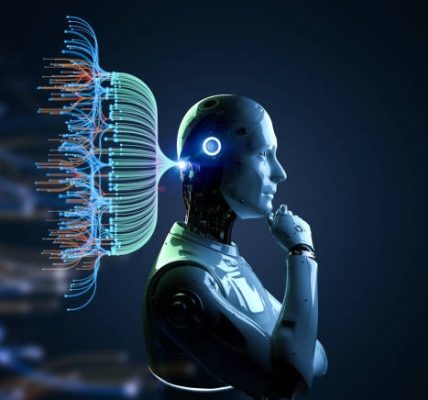


In recent years, the intersection of technology and creativity has given rise to a fascinating phenomenon: image generation AI. This innovative field is driven by sophisticated algorithms that harness vast datasets to create visually stunning artworks. The artistic intelligence behind these AI systems is not merely a product of machine learning but an intricate dance between data, design principles, and human inspiration.
At its core, image generation AI relies on deep learning models, particularly Generative Adversarial Networks (GANs). These models consist of two neural networks—the generator and the discriminator—that work in tandem to produce images that mimic real-world aesthetics. The generator creates images from random noise, while the discriminator evaluates them against actual images from a dataset. Through this adversarial process, the generator gradually improves its outputs until they become indistinguishable from genuine artwork.
The training data for these models play a crucial role in shaping their creative output. By feeding them with diverse datasets encompassing various art styles—from classical paintings to modern digital art—developers can guide these AIs toward generating unique pieces that reflect myriad artistic traditions. This reliance on extensive datasets underscores how deeply rooted Image generation AI is in existing human creations.
However, it is not solely about replicating what already exists; it’s also about innovation and exploration beyond conventional boundaries. Image generation AIs are capable of producing novel visual experiences by blending different styles or introducing elements never before seen in traditional artworks. This ability stems from their capacity to identify patterns and correlations within massive amounts of data—a feat unattainable by human artists alone due to cognitive limitations.
Moreover, these intelligent systems are beginning to collaborate with artists rather than replace them entirely. Artists can use AI as a tool for expanding their creative horizons—experimenting with new forms or pushing the limits of their imagination without being constrained by technical skills or time constraints inherent in manual processes.