
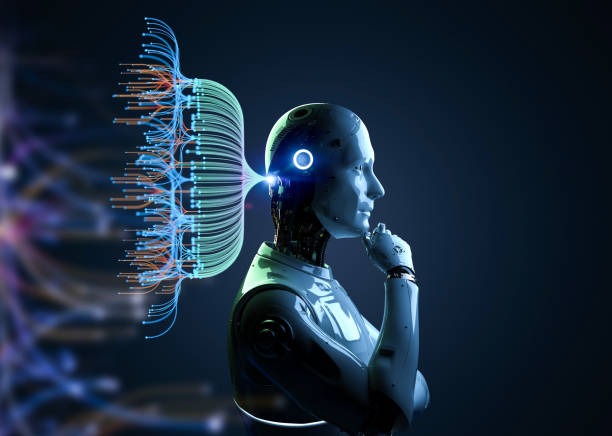

In the rapidly evolving landscape of technology, artificial intelligence (AI) has emerged as a transformative force, reshaping various aspects of our lives. One of the most intriguing developments in this realm is the creation of AI-generated worlds—virtual environments crafted with such intricacy and detail that they blur the lines between reality and imagination. These unreal realities are pushing the boundaries of what we perceive as possible, offering both exciting opportunities and profound challenges.
At the heart of AI-generated worlds lies sophisticated algorithms capable of generating stunningly realistic landscapes, characters, and scenarios. By leveraging vast datasets and advanced machine learning techniques, these systems can produce environments that mimic real-world physics and aesthetics with remarkable accuracy. This capability opens up new avenues for creativity in fields such as gaming, film production, architecture, and even education. Imagine exploring ancient civilizations or distant planets from your living room or interacting with historical figures brought to life through digital avatars.
However, as these virtual realms become increasingly lifelike, questions about authenticity arise. The line between what is real and what is artificially constructed becomes blurred, challenging our understanding of truth and perception. This raises ethical considerations about how these technologies should be used responsibly. For instance, in journalism or documentary filmmaking where factual integrity is paramount, distinguishing between genuine footage and Image generation AI-generated content becomes crucial to maintaining credibility.
Moreover, the psychological impact on users navigating these hyper-realistic environments cannot be overlooked. While immersive experiences can enhance learning or provide therapeutic benefits by simulating safe spaces for exposure therapy or skill development exercises; there’s also potential for addiction or escapism if individuals prefer virtual interactions over real-world connections.
The implications extend beyond personal use into societal dimensions too: As industries embrace AI-driven simulations—from urban planning projects optimizing city layouts before construction begins to businesses training employees using virtual scenarios—the efficiency gains must be balanced against concerns regarding job displacement due to automation replacing certain roles traditionally performed by humans.

